
Four significant hot-saw faults caught between February and May, which led to a redesign of the structural frame.
- Four significant hot-saw faults caught
- The structural frame was redesigned
- Industry
- Steel
- System type
- One machine, coupled subsystems
- Machines
- Hot saws
- Period
- February to May
Scoped as predictive maintenance, then reframed around recurring hot-saw failures once the investigation went deeper.
Radiant heat from red-hot steel, heavy torsional load during cuts and repeated shock loading produced unpredictable shaft breakages and erratic blade life — conditions that destroy mounted sensors and drown their signal.
Torsional load during cuts shows in the current signature — read from a cabinet the heat never reaches.
The pattern behind the four faults exposed a structural weakness, and the plant redesigned the frame. The engagement started as monitoring and became a design fix.
What changed
Four significant hot-saw faults were caught across a February-to-May window, and the pattern behind them led to a full frame redesign. That is what reasoning about causes produces, and what alerting never does.
Related use cases
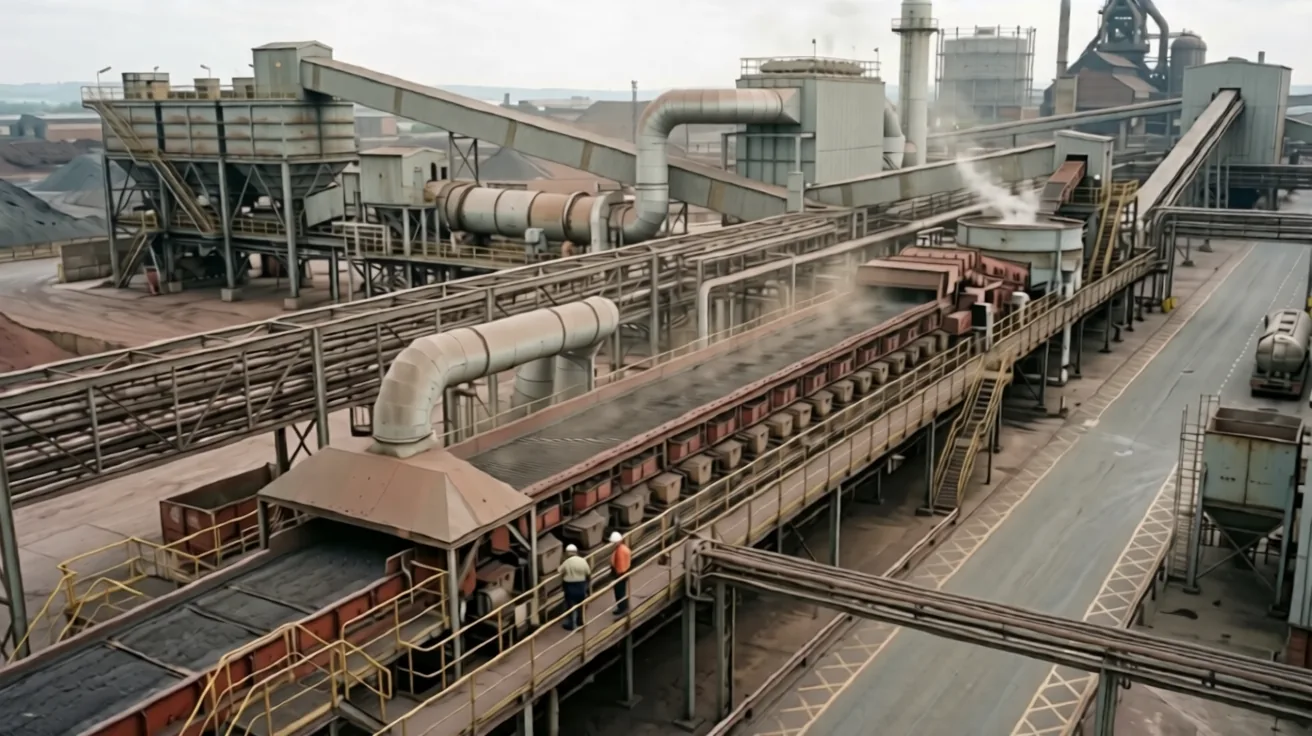 Walk the story
A month below plan, and nobody could say what to fix first.
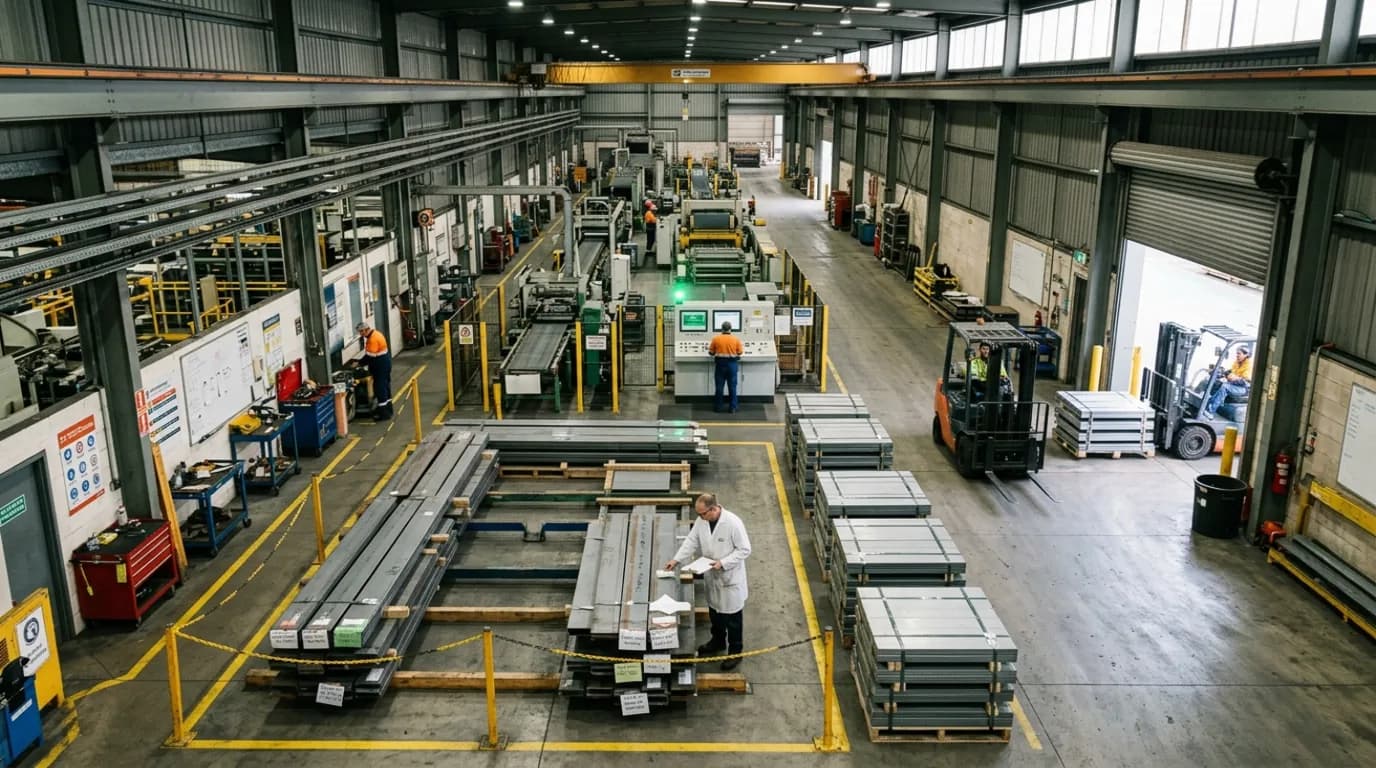 Read the case
Motor winding and gearbox problems identified within three days of installation.
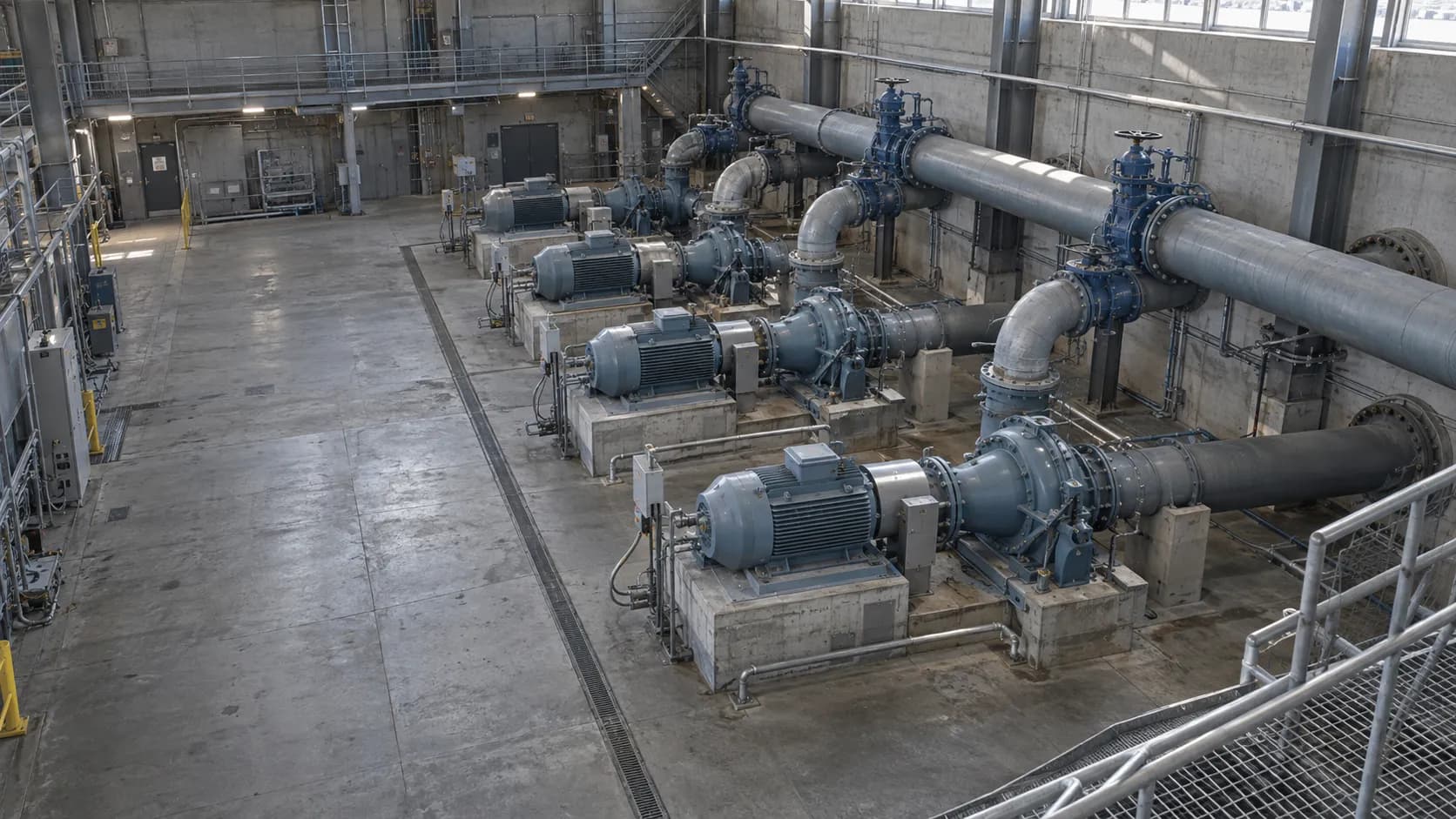 Read the case
Pumping across the site under the same intelligence as the production process.